Blog

  • Botox vs. RF Microneedling: The Comparison Guide

    Botox vs. RF Microneedling: The Comparison Guide

    Everything You Need to Know Before Choosing the Right Skin Rejuvenation Treatment

    Botox and RF (Radiofrequency) Microneedling are two of the most effective non-surgical treatments in modern aesthetics, but they target aging at very different levels. Botox works by relaxing facial muscles to soften expression-related wrinkles, while RF microneedling combines controlled skin injury with heat energy to stimulate deep collagen remodeling and skin tightening.

    Because they address different causes of aging, these treatments are often compared—and frequently combined. This in-depth guide explains Botox vs. RF microneedling in detail so you can decide which option (or combination) best fits your skin concerns, timeline, and long-term goals.

    Table of Contents


    1. What Are Botox and RF Microneedling?

    1.1 Definitions and Origins

    Botox (OnabotulinumtoxinA): Botox is a purified neuromodulator derived from Clostridium botulinum. It temporarily relaxes targeted facial muscles responsible for dynamic wrinkles such as forehead lines, frown lines, and crow’s feet. FDA-approved for cosmetic use in 2002, Botox is one of the most researched aesthetic treatments worldwide.

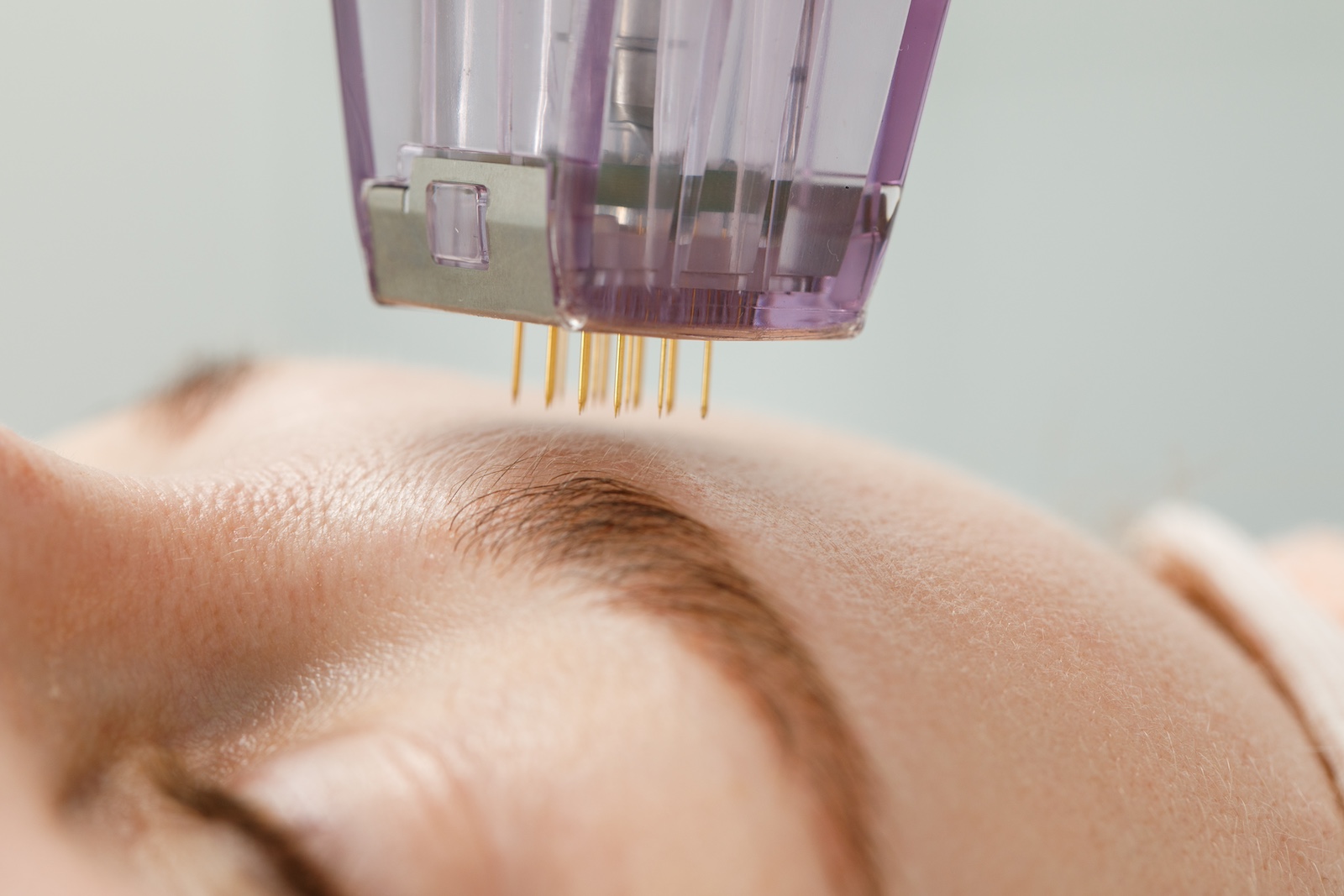
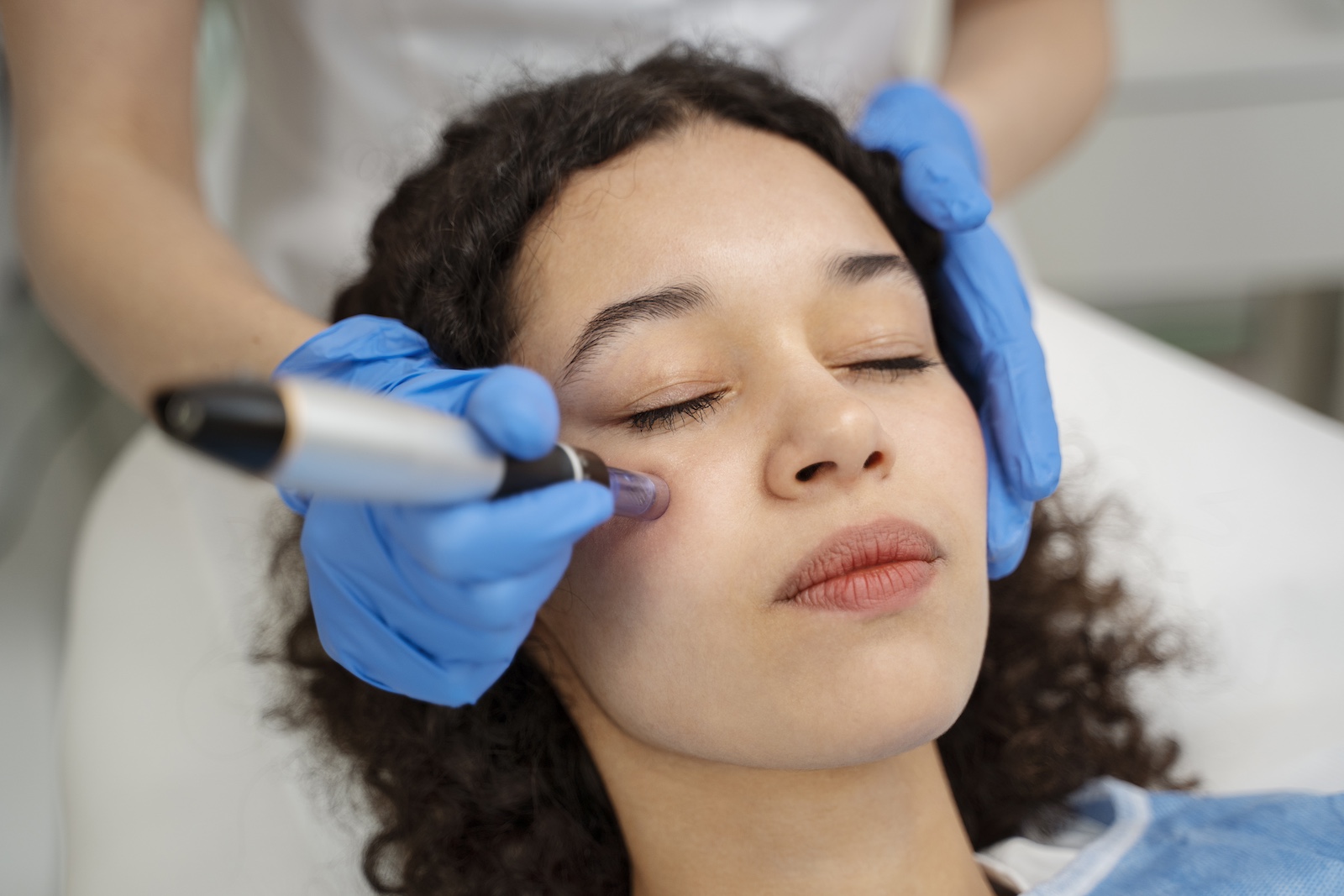
    RF Microneedling: RF microneedling is an advanced skin rejuvenation treatment that combines traditional microneedling with radiofrequency energy. Devices such as Morpheus8, Secret RF, Genius, and Vivace deliver RF heat through insulated needles directly into the dermis, triggering collagen contraction and long-term skin tightening.

    1.2 Mechanism of Action

    • Botox: Blocks acetylcholine release at the neuromuscular junction, preventing muscle contraction. This reduces repetitive motion and smooths wrinkles caused by facial expressions.
    • RF Microneedling: Creates micro-injuries while simultaneously delivering controlled heat into deeper skin layers. This stimulates collagen, elastin, and fibroblast activity, resulting in firmer, thicker, and more resilient skin over time.

    1.3 FDA Status and Clinical Use

    • Botox: FDA-approved for multiple cosmetic and medical indications, including wrinkle reduction, migraines, hyperhidrosis, and muscle disorders.
    • RF Microneedling: FDA-cleared devices are approved for skin resurfacing, acne scars, wrinkles, skin tightening, and texture improvement.

    2. Key Differences Between Botox and RF Microneedling

    2.A Purpose and Treatment Focus

    • Botox: Targets dynamic wrinkles caused by muscle movement. It does not improve skin texture, pores, laxity, or scarring.
    • RF Microneedling: Focuses on skin quality and structure—tightening loose skin, improving scars, refining pores, and increasing dermal thickness.

    2.B Common Treatment Areas

    AreaBotoxRF Microneedling
    Forehead Lines✔ Highly effective✔ Improves fine lines & firmness
    Crow’s Feet✔ Excellent⚠ Limited (skin quality only)
    Acne Scars✖ Not effective✔ One of the most effective treatments
    Jawline & Jowls✔ Tightens and contours
    Neck⚠ Limited✔ Firms crepey skin
    Body (knees, arms)✔ Commonly treated

    2.C Onset of Results

    • Botox: Visible improvement within 3–5 days, with peak results at 10–14 days.
    • RF Microneedling: Gradual improvement over 4–8 weeks as collagen regenerates; optimal results appear after a series of treatments.

    2.D Duration of Results

    • Botox: Typically lasts 3–4 months depending on dosage, muscle strength, and metabolism.
    • RF Microneedling: Results can last 12–18 months with maintenance, as collagen remodeling is long-lasting.

    3. Effectiveness & Results

    3.A Wrinkle Reduction

    • Botox: Highly effective for expression-related wrinkles and preventative aging.
    • RF Microneedling: Softens fine static wrinkles by thickening and tightening the skin but does not stop muscle movement.

    3.B Skin Tightening & Texture

    • Botox: Minimal impact on skin laxity or texture.
    • RF Microneedling: Significantly improves firmness, pore size, acne scars, stretch marks, and uneven texture.

    3.C Long-Term Skin Health

    • Botox: Prevents wrinkle formation but does not regenerate collagen.
    • RF Microneedling: Actively rebuilds collagen and elastin, improving skin quality long-term.

    4. Cost Comparison: Botox vs. RF Microneedling

    4.A Average Cost Per Session

    • Botox: $300–$700 depending on units and areas treated.
    • RF Microneedling: $700–$2,500 per session depending on device, depth, and treatment area.

    4.B Maintenance Frequency

    • Botox: Every 3–4 months for continuous wrinkle control.
    • RF Microneedling: Typically 2–4 sessions initially, then maintenance once per year.

    4.C Long-Term Cost Considerations

    • Botox requires ongoing treatments.
    • RF microneedling has higher upfront cost but longer-lasting structural benefits.

    5. Safety & Side Effects

    5.A Common Side Effects

    • Botox: Mild bruising, swelling, headache, temporary muscle weakness.
    • RF Microneedling: Redness, swelling, pinpoint bleeding, warmth, and skin sensitivity for several days.

    5.B Rare Risks

    • Botox: Eyelid drooping, facial asymmetry, frozen appearance if overdosed.
    • RF Microneedling: Post-inflammatory hyperpigmentation, infection, or fat loss if improperly performed.

    5.C Downtime Comparison

    • Botox: Little to no downtime.
    • RF Microneedling: 2–5 days of redness; deeper treatments may require up to a week.

    6. Ideal Candidates: Who Should Choose Which?

    Botox Is Best For:

    • Patients with dynamic wrinkles.
    • Those seeking quick, predictable results.
    • Individuals interested in wrinkle prevention in their 20s–40s.

    RF Microneedling Is Best For:

    • Patients with skin laxity, acne scars, enlarged pores, or textural issues.
    • Individuals wanting collagen stimulation and tightening without surgery.
    • Patients in their 30s–60s looking for long-term skin improvement.

    Consider Combining Both

    • Botox relaxes muscles.
    • RF microneedling rebuilds skin structure.
    • Together, they address both causes of visible aging.

    7. Expert Opinions & Real-World Experience

    7.1 Provider Insights

    • Botox: Gold standard for wrinkle relaxation and prevention.
    • RF Microneedling: One of the most powerful non-surgical collagen-stimulating treatments available.

    7.2 Patient Feedback

    • Botox users value fast, reliable smoothing.
    • RF microneedling patients report firmer skin, smaller pores, and improved scars over time.

    7.3 Before-and-After Results

    • Botox: Smoother forehead and eye area.
    • RF Microneedling: Firmer jawline, improved texture, reduced scars and pores.

    8. Combination Treatments

    8.1 Can You Combine Botox and RF Microneedling?

    Yes. They work at different layers and complement each other extremely well.

    • Botox first to relax muscles.
    • RF microneedling 1–2 weeks later to avoid toxin migration.

    8.3 Maintenance Strategy

    • Botox every 3–4 months.
    • RF microneedling annually after initial series.

    Final Thoughts: Botox vs. RF Microneedling

    Botox and RF microneedling are not competitors—they are complementary tools that address aging from different angles. Botox smooths expression lines quickly, while RF microneedling strengthens and tightens the skin from within.

    Choosing the right option depends on your primary concerns, timeline, and long-term goals. For many patients, combining both treatments delivers the most comprehensive, natural-looking rejuvenation without surgery.

    Always consult a qualified aesthetic professional to create a personalized treatment plan tailored to your skin and lifestyle.
  • Botox vs. Radiofrequency Skin Tightening: The Comparison Guide

    Botox vs. Radiofrequency Skin Tightening: The Comparison Guide

    Everything You Need to Know Before Choosing a Wrinkle or Skin-Tightening Treatment

    Botox and radiofrequency (RF) skin tightening are two of the most commonly compared non-surgical aesthetic treatments—but they address aging in fundamentally different ways. Botox works at the muscular level to soften expression-related wrinkles, while radiofrequency skin tightening targets the skin’s deeper layers to stimulate collagen production and improve firmness.

    Because many patients are unsure whether RF treatments can replace Botox—or whether Botox can tighten sagging skin—this comprehensive guide breaks down Botox vs. radiofrequency skin tightening in detail. By the end, you’ll understand exactly what each treatment does, where its limits are, and when combining both delivers the best results.

    Table of Contents


    1. What Are Botox and Radiofrequency Skin Tightening?

    1.1 Definitions and Origins

    Botox (OnabotulinumtoxinA): Botox is a purified neuromodulator derived from Clostridium botulinum. It temporarily relaxes targeted facial muscles responsible for dynamic wrinkles such as forehead lines, frown lines, and crow’s feet. FDA-approved for cosmetic use in 2002, Botox is one of the most extensively studied and widely performed aesthetic treatments worldwide.

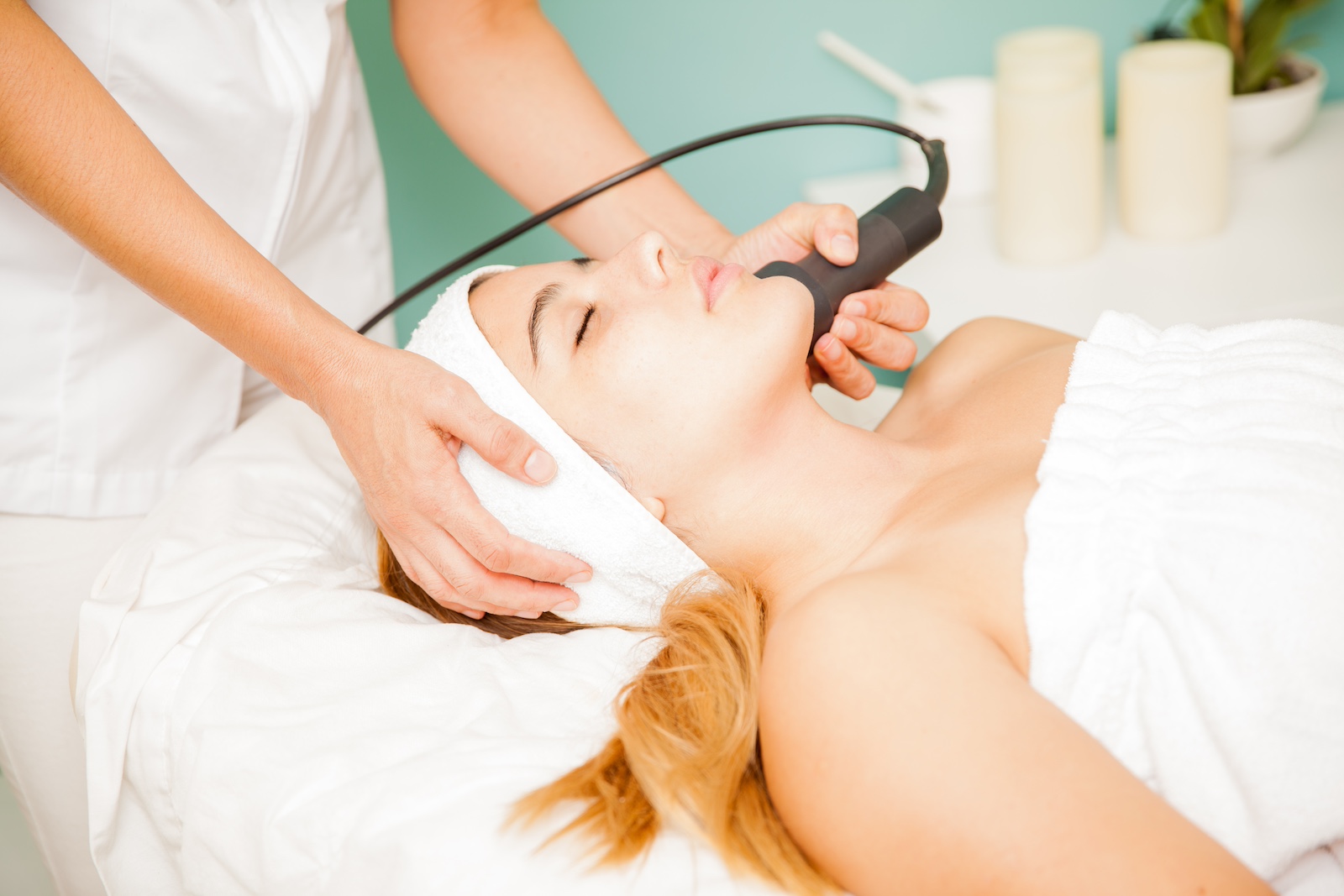
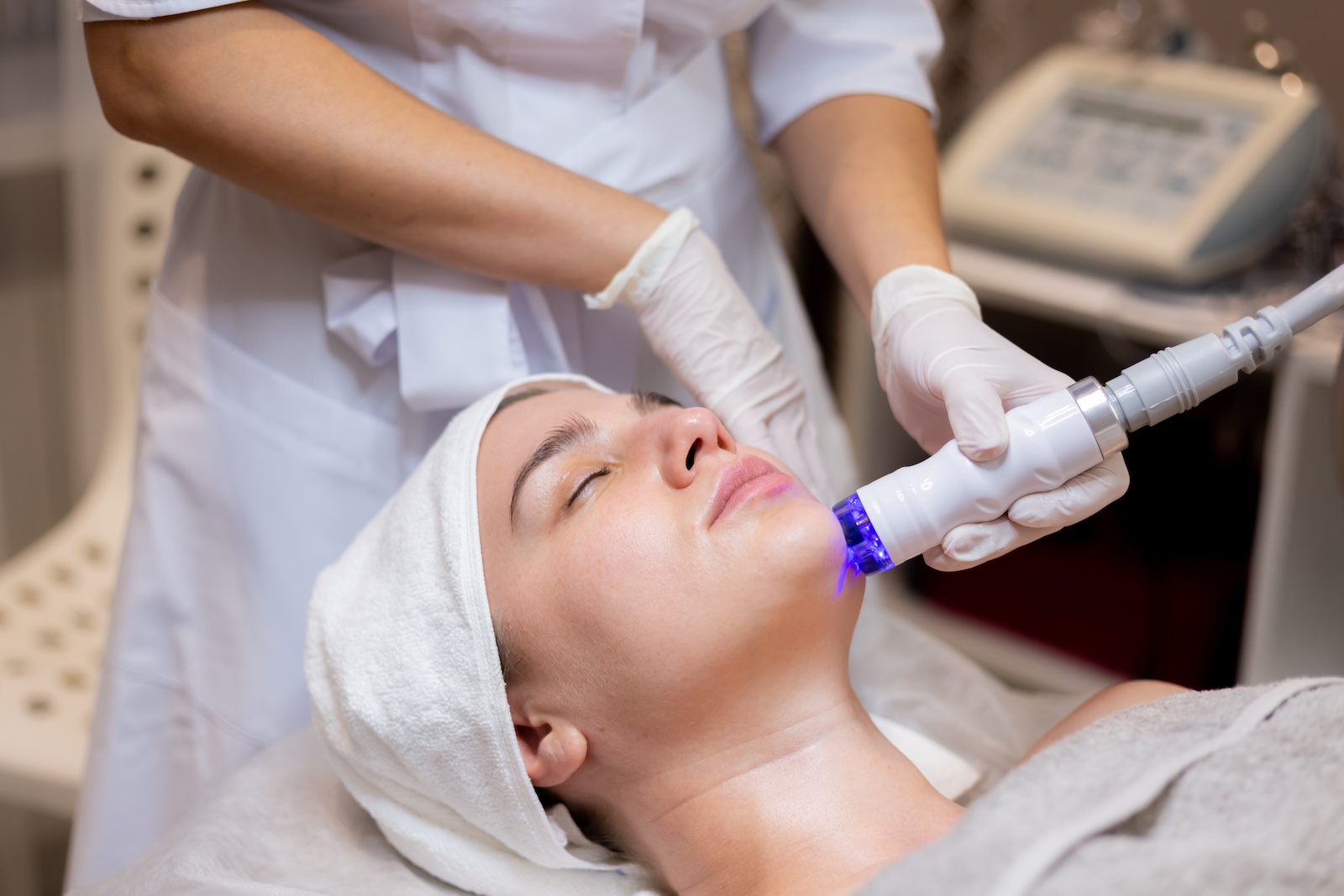
    Radiofrequency Skin Tightening: Radiofrequency skin tightening is a non-invasive or minimally invasive treatment that uses controlled RF energy to heat the dermis and subdermal tissue. This heat stimulates collagen contraction and triggers new collagen and elastin production, leading to firmer, tighter skin over time. Popular RF technologies include Thermage, Forma, Exilis, and Morpheus-based RF systems.

    1.2 Mechanism of Action

    • Botox: Blocks acetylcholine release at the neuromuscular junction, preventing muscle contraction. This reduces repetitive facial movements that cause wrinkles.
    • Radiofrequency: Delivers thermal energy to deeper skin layers, causing immediate collagen contraction and long-term collagen remodeling.

    1.3 FDA Status and Medical Classification

    • Botox: FDA-approved injectable prescription medication.
    • Radiofrequency Skin Tightening: FDA-cleared devices for non-invasive skin tightening and wrinkle reduction.

    2. Key Differences Between Botox and Radiofrequency Skin Tightening

    2.A Purpose and Treatment Focus

    • Botox: Targets dynamic wrinkles caused by muscle movement. It does not improve skin laxity or firmness.
    • Radiofrequency: Targets skin laxity, loss of firmness, and collagen depletion. It does not stop muscle-driven wrinkles.

    2.B Areas of Impact

    ConcernBotoxRadiofrequency
    Forehead Lines✔ Highly effective⚠ Mild improvement
    Crow’s Feet✔ Gold standard⚠ Limited
    Skin Laxity✔ Major benefit
    Jawline Sagging⚠ Limited✔ Strong benefit
    Neck Tightening⚠ Limited✔ Excellent
    Texture & Firmness✔ Significant

    2.C Speed of Results

    • Botox: Results appear within 3–5 days and peak at 10–14 days.
    • Radiofrequency: Some immediate tightening is visible, but optimal results develop gradually over 2–6 months.

    2.D Duration of Results

    • Botox: Lasts approximately 3–4 months.
    • Radiofrequency: Results can last 12–24 months depending on treatment type and maintenance.

    3. Effectiveness & Results

    3.A Wrinkle Reduction

    • Botox: Highly effective for expression-related wrinkles.
    • Radiofrequency: Improves fine lines indirectly by tightening skin but does not relax muscles.

    3.B Skin Tightening & Firmness

    • Botox: No tightening effect.
    • Radiofrequency: Improves skin firmness, elasticity, and contour through collagen remodeling.

    3.C Long-Term Anti-Aging Impact

    • Botox: Prevents muscle-driven wrinkle progression.
    • Radiofrequency: Slows structural skin aging by restoring collagen integrity.

    4. Cost Comparison: Botox vs. Radiofrequency Skin Tightening

    4.A Average Cost Per Treatment

    • Botox: $300–$700 per session depending on units and areas treated.
    • Radiofrequency: $800–$4,000 depending on technology, treatment area, and invasiveness.

    4.B Maintenance Frequency

    • Botox: Every 3–4 months.
    • Radiofrequency: Every 12–24 months with possible maintenance sessions.

    4.C Long-Term Value

    • Botox offers fast, targeted wrinkle reduction.
    • Radiofrequency offers long-term tightening with fewer sessions.

    5. Safety & Side Effects

    5.A Common Side Effects

    • Botox: Mild bruising, swelling, headache, temporary muscle weakness.
    • Radiofrequency: Redness, swelling, warmth, mild tenderness after treatment.

    5.B Rare Risks

    • Botox: Eyelid drooping, asymmetry, frozen appearance if injected incorrectly.
    • Radiofrequency: Burns, nerve irritation, or uneven results if improperly performed.

    5.C Downtime Comparison

    • Botox: Minimal to none.
    • Radiofrequency: None to minimal downtime depending on treatment intensity.

    6. Ideal Candidates: Who Should Choose Which?

    Botox Is Best For:

    • Patients with dynamic wrinkles caused by facial expressions.
    • Individuals seeking fast, predictable results.
    • Those interested in wrinkle prevention.

    Radiofrequency Is Best For:

    • Patients with mild to moderate skin laxity.
    • Individuals noticing sagging jawline, cheeks, or neck.
    • Patients seeking non-surgical skin tightening.

    Key Reality

    • Radiofrequency cannot replace Botox for expression lines.
    • Botox cannot tighten sagging skin.

    7. Expert Opinions & Real-World Experience

    7.1 Provider Insights

    • Botox: Considered essential for upper-face wrinkle management.
    • Radiofrequency: Valued for non-invasive lifting and collagen stimulation.

    7.2 Patient Feedback

    • Botox patients love quick smoothing with minimal downtime.
    • RF patients appreciate gradual tightening and improved facial contours.

    7.3 Before-and-After Expectations

    • Botox: Smoother expression lines.
    • Radiofrequency: Firmer skin and improved jawline definition.

    8. Combination Strategy: Botox + Radiofrequency

    8.1 Can You Combine Botox and Radiofrequency?

    Yes. They address different aging mechanisms and are frequently combined.

    • Perform radiofrequency first to tighten skin.
    • Inject Botox 1–2 weeks later to control muscle movement.

    8.3 Maintenance Plan

    • Botox every 3–4 months.
    • Radiofrequency annually or biannually depending on aging severity.

    Final Thoughts: Botox vs. Radiofrequency Skin Tightening

    Botox and radiofrequency skin tightening are not competing treatments—they solve different problems. Botox controls muscle-driven wrinkles, while radiofrequency improves skin firmness and structure.

    Choosing between them depends on whether your primary concern is wrinkles or skin laxity. For many patients, the most effective and natural-looking results come from combining both treatments into a personalized plan.

    Always consult a qualified aesthetic provider to determine the best strategy based on your facial anatomy, skin condition, and long-term goals.

  • Botox vs. Retinol: The Comparison Guide

    Everything You Need to Know Before Choosing Between Medical Injectables and Topical Anti‑Aging

    Botox and retinol are two of the most powerful and widely discussed tools in modern anti‑aging—but they work in fundamentally different ways. Botox is a medical injectable that targets muscle movement to prevent expression‑related wrinkles, while retinol is a topical vitamin A derivative that improves skin texture, tone, and collagen production over time.

    Because many patients ask whether retinol can replace Botox—or whether Botox makes retinol unnecessary—this comprehensive guide breaks down Botox vs. retinol in detail. By the end, you’ll clearly understand what each treatment does, where its limits are, and why they are most effective when used together.

    Table of Contents


    1. What Are Botox and Retinol?

    1.1 Definitions and Origins

    Botox (OnabotulinumtoxinA): Botox is a purified neuromodulator derived from Clostridium botulinum. It temporarily relaxes targeted facial muscles responsible for dynamic wrinkles such as forehead lines, glabellar lines, and crow’s feet. FDA‑approved for cosmetic use in 2002, Botox is one of the most researched and clinically proven aesthetic treatments worldwide.

    Retinol: Retinol is a vitamin A derivative used in topical skincare. It is converted in the skin into retinoic acid, which increases cell turnover, stimulates collagen production, and improves skin texture and pigmentation. Retinol is available over the counter, while stronger retinoids (such as tretinoin) require a prescription.

    1.2 Mechanism of Action

    • Botox: Blocks acetylcholine release at the neuromuscular junction, preventing muscle contraction. This reduces repetitive facial movements that cause wrinkles and allows the skin above to smooth.
    • Retinol: Accelerates skin cell turnover, boosts collagen synthesis, normalizes keratinization, and reduces pigment irregularities over time.

    1.3 Medical vs. Skincare Classification

    • Botox: Prescription‑only injectable administered by trained medical professionals.
    • Retinol: Topical skincare ingredient used daily as part of a routine.

    2. Key Differences Between Botox and Retinol

    2.A Purpose and Treatment Focus

    • Botox: Targets dynamic wrinkles caused by muscle movement. It does not repair skin damage or improve texture.
    • Retinol: Targets skin quality issues such as fine lines, uneven texture, pigmentation, acne, and early collagen loss—but cannot stop muscle‑driven wrinkles.

    2.B Areas of Impact

    ConcernBotoxRetinol
    Forehead Lines✔ Highly effective⚠ Limited
    Crow’s Feet✔ Gold standard⚠ Minimal
    Fine Lines⚠ Some effect✔ Strong
    Pigmentation✔ Strong
    Acne✔ Strong
    Prevention✔ Muscle‑related✔ Cellular‑level

    2.C Speed of Results

    • Botox: Results appear in 3–5 days, peak at 10–14 days.
    • Retinol: Results appear gradually over 8–12 weeks with consistent use.

    2.D Duration of Results

    • Botox: Lasts 3–4 months per treatment.
    • Retinol: Benefits persist only with continuous long‑term use.

    3. Effectiveness & Results

    3.A Wrinkle Reduction

    • Botox: Highly effective for expression‑related wrinkles and prevention of wrinkle deepening.
    • Retinol: Improves fine static lines but cannot stop wrinkles caused by facial movement.

    3.B Skin Texture & Tone

    • Botox: Minimal effect on pores, pigmentation, or surface texture.
    • Retinol: Improves smoothness, pore appearance, pigmentation, and overall skin clarity.

    3.C Long‑Term Anti‑Aging Benefits

    • Botox: Prevents muscle‑driven aging when used consistently.
    • Retinol: Stimulates collagen and slows intrinsic and photoaging at the cellular level.

    4. Cost Comparison: Botox vs. Retinol

    4.A Average Cost

    • Botox: $300–$700 per session depending on areas treated.
    • Retinol: $20–$150 per product; prescription retinoids may cost more.

    4.B Maintenance Requirements

    • Botox: Every 3–4 months.
    • Retinol: Nightly or regular long‑term use.

    4.C Long‑Term Value

    • Botox offers immediate, targeted results.
    • Retinol offers cumulative, preventative skin benefits.

    5. Safety & Side Effects

    5.A Common Side Effects

    • Botox: Mild bruising, swelling, headache, temporary muscle weakness.
    • Retinol: Dryness, irritation, peeling, redness during the adjustment phase.

    5.B Rare Risks

    • Botox: Eyelid drooping, asymmetry, frozen appearance if poorly injected.
    • Retinol: Skin barrier damage if overused or combined improperly with other actives.

    5.C Downtime Comparison

    • Botox: Minimal to none.
    • Retinol: No downtime, but visible irritation may occur initially.

    6. Ideal Candidates: Who Should Choose Which?

    Botox Is Best For:

    • Patients with visible dynamic wrinkles.
    • Individuals seeking fast, predictable results.
    • Those interested in wrinkle prevention from facial movement.

    Retinol Is Best For:

    • Individuals of all ages focused on long‑term skin health.
    • Patients with acne, pigmentation, fine lines, or uneven texture.
    • Those willing to commit to consistent skincare use.

    The Reality

    • Retinol cannot replace Botox for muscle‑driven wrinkles.
    • Botox cannot replace retinol for skin quality and prevention.

    7. Expert Opinions & Real‑World Experience

    7.1 Provider Insights

    • Botox: Considered the gold standard for dynamic wrinkle management.
    • Retinol: Considered the cornerstone of evidence‑based anti‑aging skincare.

    7.2 Patient Feedback

    • Botox users love immediate smoothing.
    • Retinol users value long‑term improvements in skin clarity and texture.

    7.3 Before‑and‑After Expectations

    • Botox: Visible wrinkle reduction.
    • Retinol: Gradual refinement of skin over months.

    8. Combination Strategy: Botox + Retinol

    8.1 Can Retinol Replace Botox?

    No. Retinol cannot stop facial muscle contraction.

    8.2 Can Botox Replace Retinol?

    No. Botox does not improve pigmentation, texture, or barrier health.

    8.3 Ideal Anti‑Aging Strategy

    • Botox for expression‑related wrinkle control.
    • Retinol for long‑term skin repair, prevention, and collagen support.

    Final Thoughts: Botox vs. Retinol

    Botox and retinol are not competitors—they address aging at completely different biological levels. Botox controls muscle movement to prevent and soften wrinkles, while retinol improves skin health, texture, and resilience over time.

    If your goal is optimal anti‑aging, the most effective approach is not choosing one over the other, but understanding how to use both strategically.

    Always consult a qualified aesthetic provider or dermatologist to create a personalized plan that balances injectables with a scientifically sound skincare routine.

  • Botox vs. Thermage: The Comparison Guide

    Botox vs. Thermage: The Comparison Guide

    Everything You Need to Know Before Choosing the Right Anti-Aging Treatment

    Botox and Thermage are two of the most established non-surgical aesthetic treatments used to address visible signs of aging. While both are popular and effective, they work in fundamentally different ways. Botox targets facial muscles to soften expression-related wrinkles, whereas Thermage uses monopolar radiofrequency energy to tighten skin and stimulate long-term collagen production.

    Because they treat different aspects of aging, Botox and Thermage are often compared—and frequently combined. This comprehensive guide explains Botox vs. Thermage in depth so you can clearly understand which treatment is best for your concerns, timeline, and long-term goals.

    Table of Contents


    1. What Are Botox and Thermage?

    1.1 Definitions and Origins

    Botox (OnabotulinumtoxinA): Botox is a purified neuromodulator derived from Clostridium botulinum. It temporarily relaxes targeted facial muscles that cause dynamic wrinkles such as forehead lines, frown lines, and crow’s feet. FDA-approved for cosmetic use in 2002, Botox is one of the most researched and widely performed aesthetic procedures worldwide.

    Thermage: Thermage is a non-invasive skin tightening treatment that uses monopolar radiofrequency (RF) energy to heat deep layers of the skin. This controlled heating stimulates collagen contraction and long-term collagen remodeling, leading to firmer, tighter skin over time. Thermage has been FDA-approved for skin tightening since the early 2000s and is considered one of the pioneers in non-surgical skin tightening.

    1.2 Mechanism of Action

    • Botox: Blocks acetylcholine release at the neuromuscular junction, preventing muscle contraction. This reduces repetitive facial movements that cause wrinkles and helps prevent lines from deepening.
    • Thermage: Delivers uniform RF energy deep into the dermis and fibrous septae, causing immediate collagen contraction and stimulating gradual collagen regeneration over several months.

    1.3 FDA Status and Clinical Use

    • Botox: FDA-approved for cosmetic wrinkle reduction and multiple medical indications, including migraines, excessive sweating, muscle spasticity, and TMJ.
    • Thermage: FDA-approved for non-invasive skin tightening of the face, eyes, abdomen, thighs, and arms.

    2. Key Differences Between Botox and Thermage

    2.A Purpose and Treatment Focus

    • Botox: Specifically targets dynamic wrinkles caused by muscle movement. It does not improve skin laxity, texture, pores, or collagen quality.
    • Thermage: Targets skin laxity and collagen loss. It improves firmness, elasticity, and skin thickness but does not affect muscle movement or expression lines.

    2.B Common Treatment Areas

    AreaBotoxThermage
    Forehead Lines✔ Highly effective⚠ Limited tightening only
    Crow’s Feet✔ Excellent⚠ Mild improvement
    Jawline & Jowls✔ Tightens and firms
    Neck⚠ Limited✔ Improves laxity
    Eyes✔ Brow lift effect✔ Tightens eyelids
    Body (abdomen, thighs)✔ FDA-approved

    2.C Onset of Results

    • Botox: Results appear within 3–5 days, with peak effect at 10–14 days.
    • Thermage: Some immediate tightening may be felt, but visible results develop gradually over 2–6 months as collagen regenerates.

    2.D Duration of Results

    • Botox: Typically lasts 3–4 months.
    • Thermage: Results can last 12–24 months depending on age, skin condition, and lifestyle factors.

    3. Effectiveness & Results

    3.A Wrinkle Reduction

    • Botox: Gold standard for treating expression-related wrinkles. Prevents wrinkle progression when used consistently.
    • Thermage: Not designed for dynamic wrinkles. May slightly improve fine static lines by tightening the skin.

    3.B Skin Tightening & Firmness

    • Botox: Minimal impact on skin firmness or laxity.
    • Thermage: Significantly improves skin tightness, elasticity, and contour, particularly in the jawline, neck, and lower face.

    3.C Long-Term Skin Health

    • Botox: Prevents muscle-driven aging but does not rebuild collagen.
    • Thermage: Stimulates long-term collagen production, improving skin structure and resilience over time.

    4. Cost Comparison: Botox vs. Thermage

    4.A Average Cost Per Treatment

    • Botox: $300–$700 depending on number of units and areas treated.
    • Thermage: $1,500–$4,500 depending on treatment area (eyes, face, full face + neck, or body).

    4.B Maintenance Frequency

    • Botox: Every 3–4 months for consistent wrinkle control.
    • Thermage: Typically once every 12–24 months; some patients opt for annual maintenance.

    4.C Long-Term Cost Considerations

    • Botox has lower upfront cost but requires ongoing sessions.
    • Thermage has higher upfront cost but longer-lasting collagen benefits.

    5. Safety & Side Effects

    5.A Common Side Effects

    • Botox: Mild bruising, swelling, redness, headache, or temporary muscle weakness.
    • Thermage: Temporary redness, swelling, tingling, or soreness. Sensation of heat during treatment is common.

    5.B Rare Risks

    • Botox: Eyelid drooping, asymmetry, or frozen appearance if improperly injected.
    • Thermage: Rare burns, fat atrophy, or nerve sensitivity if energy settings are incorrect.

    5.C Downtime Comparison

    • Botox: Little to no downtime.
    • Thermage: Minimal downtime; most patients return to normal activities immediately.

    6. Ideal Candidates: Who Should Choose Which?

    Botox Is Best For:

    • Patients with dynamic wrinkles.
    • Individuals seeking quick, predictable results.
    • Those interested in preventative aging in their 20s–40s.

    Thermage Is Best For:

    • Patients with mild to moderate skin laxity.
    • Individuals noticing sagging in the jawline, neck, or eyelids.
    • Patients wanting non-invasive skin tightening with long-lasting results.

    Consider Combining Both

    • Botox relaxes facial muscles.
    • Thermage tightens and firms the skin.
    • Together, they address both muscle-based and structural aging.

    7. Expert Opinions & Real-World Experience

    7.1 Provider Insights

    • Botox: Remains the most reliable treatment for dynamic wrinkles.
    • Thermage: Considered a gold-standard non-surgical skin tightening treatment when performed correctly.

    7.2 Patient Feedback

    • Botox patients appreciate fast results and minimal downtime.
    • Thermage patients value gradual, natural-looking tightening without injections.

    7.3 Before-and-After Results

    • Botox: Smoother forehead, softened crow’s feet, lifted brows.
    • Thermage: Firmer jawline, tighter neck, improved skin texture.

    8. Combination Treatments

    8.1 Can You Combine Botox and Thermage?

    Yes. They work on different layers of aging and complement each other exceptionally well.

    • Thermage first to stimulate collagen remodeling.
    • Botox 1–2 weeks later to refine dynamic wrinkles.

    8.3 Maintenance Strategy

    • Botox every 3–4 months.
    • Thermage every 12–24 months depending on skin aging rate.

    Final Thoughts: Botox vs. Thermage

    Botox and Thermage are not competing treatments—they address different causes of facial aging. Botox smooths expression-related wrinkles quickly, while Thermage tightens and firms skin by rebuilding collagen over time.

    Choosing the right option depends on whether your primary concern is wrinkles, sagging, or both. For many patients, combining Botox and Thermage delivers the most comprehensive, natural-looking rejuvenation without surgery.

    Always consult a qualified aesthetic provider to design a personalized treatment plan tailored to your skin condition, goals, and lifestyle.

  • Botox vs. Morpheus8: The Comparison Guide

    Botox vs. Morpheus8: The Comparison Guide

    Everything You Need to Know Before Choosing the Right Anti-Aging Treatment

    Botox and Morpheus8 are two of the most talked-about non-surgical aesthetic treatments today, but they work in completely different ways and target aging at different layers of the face. Botox focuses on muscle activity to soften expression-related wrinkles, while Morpheus8 is an advanced RF microneedling treatment designed to tighten skin, remodel collagen, and improve overall skin structure.

    Because they treat different causes of aging, Botox and Morpheus8 are often compared—and very often combined. This in-depth guide explains exactly how Botox vs. Morpheus8 differ, who each treatment is best for, and how to choose the right option for your skin goals.

    Table of Contents


    1. What Are Botox and Morpheus8?

    1.1 Definitions and Origins

    Botox (OnabotulinumtoxinA): Botox is a purified neuromodulator derived from Clostridium botulinum. It temporarily relaxes targeted facial muscles that cause dynamic wrinkles such as forehead lines, frown lines, and crow’s feet. FDA-approved for cosmetic use in 2002, Botox is one of the most researched and widely performed aesthetic procedures in the world.

    Morpheus8: Morpheus8 is a fractional radiofrequency microneedling device developed by InMode. It combines microneedling with bipolar RF energy to penetrate deep into the dermis and subdermal layers, stimulating collagen production, skin tightening, and fat remodeling. It is FDA-cleared for soft tissue coagulation and skin resurfacing.

    1.2 Mechanism of Action

    • Botox: Blocks acetylcholine release at the neuromuscular junction, preventing muscle contraction. This reduces repetitive facial movements that cause wrinkles and helps prevent deepening of expression lines.
    • Morpheus8: Uses insulated microneedles to deliver radiofrequency heat at adjustable depths (up to 4 mm). The heat causes collagen contraction, stimulates new collagen and elastin formation, and improves skin firmness and texture over time.

    1.3 FDA Status and Clinical Use

    • Botox: FDA-approved for cosmetic wrinkles and multiple medical conditions, including migraines, excessive sweating, muscle spasticity, and TMJ.
    • Morpheus8: FDA-cleared for skin resurfacing and tightening. Widely used for facial rejuvenation, jawline contouring, acne scars, neck laxity, and body tightening.

    2. Key Differences Between Botox and Morpheus8

    2.A Purpose and Treatment Focus

    • Botox: Targets dynamic wrinkles caused by muscle movement. It does not improve skin texture, pores, laxity, or scarring.
    • Morpheus8: Targets skin laxity, collagen loss, texture irregularities, acne scars, and mild fat deposits.

    2.B Common Treatment Areas

    AreaBotoxMorpheus8
    Forehead Lines✔ Highly effective✔ Improves skin firmness
    Crow’s Feet✔ Excellent⚠ Limited benefit
    Jawline & Jowls✔ Tightens and contours
    Neck⚠ Limited✔ Firms crepey skin
    Acne Scars✔ One of the best treatments
    Body (knees, arms)✔ Commonly treated

    2.C Onset of Results

    • Botox: Visible results in 3–5 days, peak at 10–14 days.
    • Morpheus8: Gradual improvement starting at 4–6 weeks, with continued improvement for up to 3–6 months.

    2.D Duration of Results

    • Botox: 3–4 months on average.
    • Morpheus8: 12–18 months with proper maintenance and skincare.

    3. Effectiveness & Results

    3.A Wrinkle Reduction

    • Botox: Gold standard for expression-related wrinkles. Prevents lines from forming and deepening.
    • Morpheus8: Softens fine static wrinkles by thickening and tightening the skin, but does not stop muscle movement.

    3.B Skin Tightening & Texture

    • Botox: Minimal effect on skin texture or laxity.
    • Morpheus8: Significantly improves skin firmness, pore size, acne scars, stretch marks, and uneven texture.

    3.C Long-Term Skin Health

    • Botox: Prevents wrinkles but does not rebuild collagen.
    • Morpheus8: Actively remodels collagen and elastin, improving skin quality long-term.

    4. Cost Comparison: Botox vs. Morpheus8

    4.A Average Cost Per Treatment

    • Botox: $300–$700 depending on units and areas treated.
    • Morpheus8: $900–$3,000 per session depending on treatment area and depth.

    4.B Maintenance Frequency

    • Botox: Every 3–4 months.
    • Morpheus8: Typically 1–3 sessions initially, then maintenance once per year.

    4.C Long-Term Cost Considerations

    • Botox requires continuous treatments.
    • Morpheus8 has higher upfront cost but longer-lasting structural improvements.

    5. Safety & Side Effects

    5.A Common Side Effects

    • Botox: Mild bruising, swelling, headache, temporary muscle weakness.
    • Morpheus8: Redness, swelling, pinpoint bleeding, warmth, and skin sensitivity for several days.

    5.B Rare Risks

    • Botox: Eyelid drooping, asymmetry, frozen expression if overdosed.
    • Morpheus8: Post-inflammatory hyperpigmentation, infection, or fat loss if improperly performed.

    5.C Downtime Comparison

    • Botox: Minimal to none.
    • Morpheus8: 2–5 days of redness; deeper treatments may require up to a week.

    6. Ideal Candidates: Who Should Choose Which?

    Botox Is Best For:

    • Patients with dynamic wrinkles.
    • Those seeking fast, predictable results.
    • Individuals interested in wrinkle prevention.

    Morpheus8 Is Best For:

    • Patients with skin laxity, acne scars, enlarged pores, or textural issues.
    • Individuals wanting collagen stimulation and tightening without surgery.
    • Patients in their 30s–60s seeking long-term skin improvement.

    Consider Combining Both

    • Botox relaxes muscles.
    • Morpheus8 rebuilds skin structure.
    • Together, they address both major causes of facial aging.

    7. Expert Opinions & Real-World Experience

    7.1 Provider Insights

    • Botox: Remains the gold standard for wrinkle relaxation and prevention.
    • Morpheus8: Considered one of the most powerful non-surgical skin tightening devices available.

    7.2 Patient Feedback

    • Botox patients love quick results with no downtime.
    • Morpheus8 patients report firmer skin, improved jawline, and reduced acne scars over time.

    7.3 Before-and-After Results

    • Botox: Smooth forehead and eye area.
    • Morpheus8: Firmer jawline, tighter neck, smoother skin texture.

    8. Combination Treatments

    8.1 Can You Combine Botox and Morpheus8?

    Yes. They work at different layers and complement each other extremely well.

    • Botox first to relax muscles.
    • Morpheus8 1–2 weeks later to avoid toxin migration.

    8.3 Maintenance Strategy

    • Botox every 3–4 months.
    • Morpheus8 annually after initial series.

    Final Thoughts: Botox vs. Morpheus8

    Botox and Morpheus8 are not competitors—they are complementary tools that address aging from different angles. Botox smooths expression lines quickly, while Morpheus8 strengthens and tightens the skin from within.

    Choosing the right option depends on your primary concerns, timeline, and long-term goals. For many patients, combining Botox and Morpheus8 delivers the most comprehensive, natural-looking rejuvenation without surgery.

    Always consult a qualified aesthetic professional to create a personalized treatment plan tailored to your skin and lifestyle.
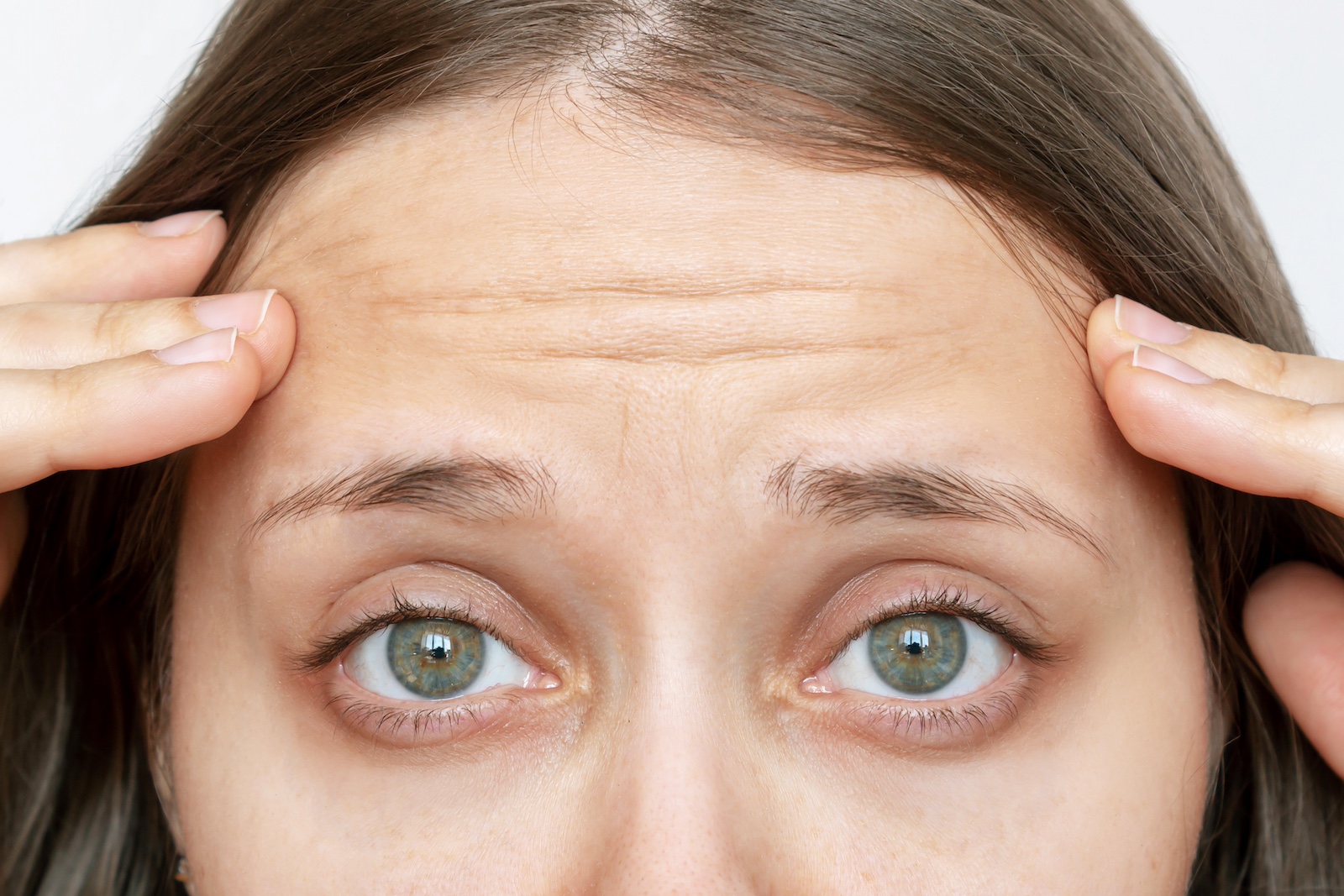
  • Botox vs. Face Yoga: The Comparison Guide

    Botox vs. Face Yoga: The Comparison Guide

    Everything You Need to Know Before Choosing a Wrinkle-Reduction Approach

    Botox and Face Yoga represent two very different philosophies in facial rejuvenation. Botox is a medical injectable that relaxes facial muscles to reduce expression-related wrinkles, while Face Yoga is a natural, exercise-based approach that aims to tone facial muscles, improve circulation, and promote relaxation through repetitive movements and massage techniques.

    Because one is a medical treatment and the other a lifestyle practice, Botox and Face Yoga are often compared by patients looking for either fast, visible results or a natural, non-invasive alternative. This comprehensive guide breaks down Botox vs. Face Yoga so you can clearly understand what each can—and cannot—do for facial aging.

    Table of Contents


    1. What Are Botox and Face Yoga?

    1.1 Definitions and Origins

    Botox (OnabotulinumtoxinA): Botox is a purified neuromodulator derived from Clostridium botulinum. It temporarily relaxes targeted facial muscles responsible for dynamic wrinkles such as forehead lines, frown lines, and crow’s feet. FDA-approved for cosmetic use in 2002, Botox is one of the most extensively studied and widely used aesthetic treatments worldwide.

    Face Yoga: Face Yoga is a collection of facial exercises, massage techniques, and breathing practices designed to engage facial muscles, increase blood flow, and promote relaxation. It has roots in traditional yoga, physiotherapy, and facial massage practices and is often promoted as a natural method for facial toning and anti-aging.

    1.2 Mechanism of Action

    • Botox: Blocks acetylcholine release at the neuromuscular junction, preventing muscle contraction. This reduces repetitive facial movements that cause wrinkles and allows the overlying skin to smooth.
    • Face Yoga: Encourages repeated contraction and stretching of facial muscles to improve circulation, reduce tension, and increase muscle awareness. Some techniques also focus on lymphatic drainage and stress reduction.

    1.3 Medical Status and Clinical Evidence

    • Botox: FDA-approved with decades of clinical studies supporting its safety and effectiveness for wrinkle reduction and prevention.
    • Face Yoga: Not a medical treatment. Evidence is largely anecdotal or based on small studies showing modest improvements in muscle tone or facial awareness rather than true wrinkle reversal.

    2. Key Differences Between Botox and Face Yoga

    2.A Purpose and Treatment Focus

    • Botox: Targets dynamic wrinkles caused by muscle overactivity. It does not improve skin hydration, texture, or collagen quality.
    • Face Yoga: Focuses on muscle engagement and relaxation. It aims to improve facial tone and circulation but does not directly stop wrinkle formation.

    2.B Common Areas of Focus

    AreaBotoxFace Yoga
    Forehead Lines✔ Highly effective⚠ May worsen if overdone
    Frown Lines✔ Gold standard⚠ Limited benefit
    Crow’s Feet✔ Effective⚠ Minimal impact
    Jawline⚠ Limited✔ Muscle awareness only
    Neck⚠ Limited✔ Posture and tension relief
    Facial Tension✔ Major benefit

    2.C Onset of Results

    • Botox: Visible improvement within 3–5 days, with full results at 10–14 days.
    • Face Yoga: No immediate results. Changes, if any, require weeks to months of consistent daily practice.

    2.D Duration of Results

    • Botox: Lasts approximately 3–4 months per treatment.
    • Face Yoga: Results are dependent on continuous practice; benefits fade if exercises stop.

    3. Effectiveness & Results

    3.A Wrinkle Reduction

    • Botox: Highly effective for expression-related wrinkles and wrinkle prevention.
    • Face Yoga: Cannot reliably reduce established wrinkles; in some cases, repetitive movements may deepen expression lines.

    3.B Skin Quality & Circulation

    • Botox: Minimal impact on skin texture or glow.
    • Face Yoga: May improve circulation, lymphatic drainage, and facial awareness, which can enhance temporary glow and reduce puffiness.

    3.C Long-Term Facial Aging

    • Botox: Prevents muscle-driven wrinkle progression when used consistently.
    • Face Yoga: May help reduce stress-related facial tension but does not prevent structural aging or collagen loss.

    4. Cost Comparison: Botox vs. Face Yoga

    4.A Cost Structure

    • Botox: $300–$700 per session depending on units and areas treated.
    • Face Yoga: Free to low cost. Some programs, classes, or apps range from $10–$50 per month.

    4.B Time Investment

    • Botox: 10–20 minutes per session, repeated every 3–4 months.
    • Face Yoga: Requires daily practice (10–30 minutes) for potential benefits.

    4.C Long-Term Value

    • Botox offers predictable, measurable results.
    • Face Yoga offers low financial cost but high time commitment with limited scientific support.

    5. Safety & Side Effects

    5.A Common Side Effects

    • Botox: Mild bruising, swelling, headache, temporary muscle weakness.
    • Face Yoga: Generally safe; potential for muscle strain or increased wrinkles if exercises are performed incorrectly.

    5.B Rare Risks

    • Botox: Eyelid drooping, asymmetry, frozen appearance if improperly injected.
    • Face Yoga: No serious medical risks, but excessive facial movement may exacerbate lines.

    5.C Downtime Comparison

    • Botox: Minimal to none.
    • Face Yoga: No downtime.

    6. Ideal Candidates: Who Should Choose Which?

    Botox Is Best For:

    • Patients with visible dynamic wrinkles.
    • Those seeking fast, reliable, and noticeable results.
    • Individuals interested in wrinkle prevention.

    Face Yoga Is Best For:

    • Individuals seeking a natural, non-invasive approach.
    • People focused on stress reduction and facial awareness.
    • Patients with very early signs of aging and realistic expectations.

    Consider Combining Both

    • Botox reduces muscle overactivity.
    • Face Yoga can support relaxation and posture awareness.
    • Combination may help maintain results but Face Yoga cannot replace Botox.

    7. Expert Opinions & Real-World Experience

    7.1 Provider Insights

    • Botox: Remains the most effective non-surgical treatment for dynamic wrinkles.
    • Face Yoga: Considered a wellness practice rather than a medical anti-aging solution.

    7.2 Patient Feedback

    • Botox users report visible smoothing and confidence boost.
    • Face Yoga practitioners report improved facial awareness and relaxation, with mixed aesthetic results.

    7.3 Before-and-After Expectations

    • Botox: Clear reduction in wrinkles.
    • Face Yoga: Subtle changes at best; results vary widely.

    8. Combination Approach

    8.1 Can You Do Face Yoga with Botox?

    Yes. Gentle facial massage and relaxation techniques can complement Botox, but forceful exercises should be avoided immediately after injections.

    • Use Botox for wrinkle control.
    • Use Face Yoga for relaxation and mindfulness rather than wrinkle correction.

    8.3 Maintenance Strategy

    • Botox every 3–4 months.
    • Face Yoga as a daily wellness habit.

    Final Thoughts: Botox vs. Face Yoga

    Botox and Face Yoga are not true competitors. Botox is a medical treatment proven to reduce and prevent dynamic wrinkles, while Face Yoga is a lifestyle practice that may improve relaxation and facial awareness but cannot reliably reverse aging.

    Choosing between them depends on your expectations. If you want visible wrinkle reduction, Botox remains the gold standard. If you prefer a natural approach focused on wellness rather than measurable aesthetic change, Face Yoga may be a supportive habit—but not a replacement.

    Always consult a qualified aesthetic provider to understand what approach aligns best with your skin, goals, and lifestyle.

  • Botox vs. PRP (Vampire Facial): The Comparison Guide

    Botox vs. PRP (Vampire Facial): The Comparison Guide

    Everything You Need to Know Before Choosing the Right Rejuvenation Treatment

    Botox and PRP (Platelet-Rich Plasma), often referred to as the “Vampire Facial,” are two highly popular non-surgical aesthetic treatments—but they work in completely different ways and address aging from different biological pathways. Botox focuses on relaxing facial muscles to reduce expression-related wrinkles, while PRP uses your body’s own growth factors to stimulate skin regeneration, collagen production, and overall skin healing.

    Because they target different causes of aging, Botox and PRP are frequently compared—and very often combined. This in-depth guide explores Botox vs. PRP in detail so you can clearly understand which treatment is best for your skin concerns, expectations, and long-term goals.

    Table of Contents


    1. What Are Botox and PRP (Vampire Facial)?

    1.1 Definitions and Origins

    Botox (OnabotulinumtoxinA): Botox is a purified neuromodulator derived from Clostridium botulinum. It temporarily relaxes targeted facial muscles responsible for dynamic wrinkles such as forehead lines, frown lines, and crow’s feet. FDA-approved for cosmetic use in 2002, Botox is one of the most researched and widely used aesthetic treatments worldwide.

    PRP (Platelet-Rich Plasma / Vampire Facial): PRP is an autologous treatment derived from your own blood. After a small blood draw, the sample is centrifuged to concentrate platelets rich in growth factors. These growth factors are then injected or applied to the skin (often combined with microneedling) to stimulate collagen production, tissue repair, and cellular regeneration.

    1.2 Mechanism of Action

    • Botox: Blocks acetylcholine release at the neuromuscular junction, preventing muscle contraction. This softens expression lines and prevents wrinkles from deepening over time.
    • PRP: Delivers concentrated growth factors (PDGF, TGF-β, VEGF) that activate fibroblasts, enhance collagen and elastin synthesis, improve blood flow, and accelerate skin healing.

    1.3 FDA Status and Clinical Use

    • Botox: FDA-approved for cosmetic wrinkle reduction and multiple medical indications, including migraines, hyperhidrosis, muscle spasticity, and TMJ.
    • PRP: Considered a medical procedure using autologous blood. While PRP devices are FDA-cleared, PRP itself is not classified as a drug and is widely used in dermatology, orthopedics, and regenerative medicine.

    2. Key Differences Between Botox and PRP

    2.A Purpose and Treatment Focus

    • Botox: Targets dynamic wrinkles caused by facial muscle movement. It does not regenerate skin or improve texture.
    • PRP: Targets skin quality, healing, and regeneration. It does not affect muscle movement or facial expressions.

    2.B Common Treatment Areas

    AreaBotoxPRP (Vampire Facial)
    Forehead Lines✔ Highly effective⚠ Mild improvement
    Crow’s Feet✔ Excellent⚠ Skin quality only
    Acne Scars✔ Effective
    Skin Texture & Glow✔ Major benefit
    Under Eyes⚠ With expert injector✔ Improves dark circles & crepey skin
    Hair Loss (Scalp)✔ Common PRP use

    2.C Onset of Results

    • Botox: Visible improvement within 3–5 days, with peak effect at 10–14 days.
    • PRP: Gradual improvement over 4–8 weeks as collagen and cellular regeneration occur.

    2.D Duration of Results

    • Botox: Typically lasts 3–4 months.
    • PRP: Results can last 6–12 months depending on treatment protocol and individual response.

    3. Effectiveness & Results

    3.A Wrinkle Reduction

    • Botox: Gold standard for expression-related wrinkles and preventative aging.
    • PRP: Softens fine lines by improving skin thickness and elasticity rather than relaxing muscles.

    3.B Skin Quality & Regeneration

    • Botox: Minimal effect on skin texture, tone, or pigmentation.
    • PRP: Improves skin tone, texture, elasticity, hydration, and overall radiance by stimulating natural repair processes.

    3.C Long-Term Skin Health

    • Botox: Prevents wrinkle formation but does not repair skin damage.
    • PRP: Enhances long-term skin health by improving cellular turnover and collagen integrity.

    4. Cost Comparison: Botox vs. PRP

    4.A Average Cost Per Treatment

    • Botox: $300–$700 depending on units and areas treated.
    • PRP (Vampire Facial): $600–$1,500 per session depending on whether microneedling or injections are used.

    4.B Maintenance Frequency

    • Botox: Every 3–4 months.
    • PRP: Typically 2–3 initial sessions, then maintenance every 6–12 months.

    4.C Long-Term Cost Considerations

    • Botox requires continuous maintenance.
    • PRP offers cumulative regenerative benefits with fewer sessions over time.

    5. Safety & Side Effects

    5.A Common Side Effects

    • Botox: Mild bruising, swelling, headache, temporary muscle weakness.
    • PRP: Redness, swelling, pinpoint bleeding, mild soreness following injections or microneedling.

    5.B Rare Risks

    • Botox: Eyelid drooping, asymmetry, frozen appearance if overdosed.
    • PRP: Very low risk of allergic reaction since it uses your own blood; infection risk if improperly handled.

    5.C Downtime Comparison

    • Botox: Minimal to none.
    • PRP: 1–3 days of redness; deeper treatments may require up to 5 days.

    6. Ideal Candidates: Who Should Choose Which?

    Botox Is Best For:

    • Patients with dynamic wrinkles.
    • Those seeking fast, predictable results.
    • Individuals interested in wrinkle prevention.

    PRP Is Best For:

    • Patients with dull, aging, or damaged skin.
    • Individuals with acne scars, fine lines, or dark under-eye circles.
    • Patients seeking natural, regenerative treatments.

    Consider Combining Both

    • Botox relaxes muscles.
    • PRP regenerates skin.
    • Together, they provide both immediate wrinkle reduction and long-term skin improvement.

    7. Expert Opinions & Real-World Experience

    7.1 Provider Insights

    • Botox: Remains the first-line treatment for expression-related wrinkles.
    • PRP: Highly valued for its regenerative, natural approach to skin rejuvenation.

    7.2 Patient Feedback

    • Botox patients appreciate quick smoothing with no downtime.
    • PRP patients report improved glow, texture, and overall skin health over time.

    7.3 Before-and-After Results

    • Botox: Smoother forehead and eye area.
    • PRP: Brighter skin, refined texture, reduced scars and under-eye darkness.

    8. Combination Treatments

    8.1 Can You Combine Botox and PRP?

    Yes. They work at different layers and complement each other exceptionally well.

    • Botox first to relax muscles.
    • PRP 1–2 weeks later to stimulate skin regeneration.

    8.3 Maintenance Strategy

    • Botox every 3–4 months.
    • PRP once or twice per year after initial series.

    Final Thoughts: Botox vs. PRP (Vampire Facial)

    Botox and PRP are not competing treatments—they are complementary approaches to facial rejuvenation. Botox smooths expression lines quickly, while PRP improves skin quality and health from within.

    Choosing the right option depends on whether your main concern is wrinkles, skin damage, or both. For many patients, combining Botox and PRP delivers the most natural, youthful, and long-lasting results.

    Always consult a qualified aesthetic provider to create a personalized treatment plan tailored to your skin, goals, and lifestyle.

  • Botox vs. Profhilo: The Comparison Guide

    Botox vs. Profhilo: The Comparison Guide

    Everything You Need to Know Before Choosing the Right Injectable Treatment

    Botox and Profhilo are two of the most popular injectable treatments in aesthetic medicine, but they serve very different purposes. Botox focuses on relaxing facial muscles to reduce expression-related wrinkles, while Profhilo is a unique injectable designed to deeply hydrate the skin and stimulate collagen and elastin without adding volume or altering facial movement.

    Because they treat different causes of aging, Botox and Profhilo are often compared—and very frequently combined. This comprehensive guide breaks down Botox vs. Profhilo in detail so you can clearly understand which treatment is right for your skin concerns, age, and long-term goals.

    Table of Contents


    1. What Are Botox and Profhilo?

    1.1 Definitions and Origins

    Botox (OnabotulinumtoxinA): Botox is a purified neuromodulator derived from Clostridium botulinum. It temporarily relaxes targeted facial muscles responsible for dynamic wrinkles such as forehead lines, frown lines, and crow’s feet. FDA-approved for cosmetic use in 2002, Botox remains the gold standard for expression-related wrinkle treatment.

    Profhilo: Profhilo is an injectable bio-remodelling treatment composed of highly concentrated, ultrapure hyaluronic acid (HA). Unlike traditional fillers, Profhilo does not add volume or shape the face. Instead, it spreads evenly within the skin to deeply hydrate and stimulate collagen and elastin production. Profhilo is CE-marked and widely used in Europe and Asia.

    1.2 Mechanism of Action

    • Botox: Blocks acetylcholine release at the neuromuscular junction, preventing muscle contraction. This reduces repetitive facial movements and smooths dynamic wrinkles.
    • Profhilo: Uses a patented hybrid HA technology that slowly releases hyaluronic acid into the skin, triggering bio-remodelling by stimulating fibroblasts, keratinocytes, and adipocytes.

    1.3 FDA Status and Clinical Use

    • Botox: FDA-approved for cosmetic wrinkle reduction and multiple medical indications including migraines, hyperhidrosis, and muscle disorders.
    • Profhilo: CE-marked medical device. Not FDA-approved in the U.S. but widely used internationally for skin laxity, dehydration, and early signs of aging.

    2. Key Differences Between Botox and Profhilo

    2.A Purpose and Treatment Focus

    • Botox: Targets dynamic wrinkles caused by muscle movement. It does not improve skin texture, hydration, or elasticity.
    • Profhilo: Targets skin quality issues such as dehydration, laxity, and loss of elasticity. It does not affect muscle movement or facial expressions.

    2.B Common Treatment Areas

    AreaBotoxProfhilo
    Forehead Lines✔ Highly effective⚠ Improves skin quality only
    Crow’s Feet✔ Excellent⚠ Improves texture only
    Cheeks✔ Improves firmness & hydration
    Neck⚠ Limited✔ One of the best indications
    Jawline⚠ Limited✔ Skin tightening & glow
    Hands✔ Commonly treated

    2.C Onset of Results

    • Botox: Results appear within 3–5 days, peak at 10–14 days.
    • Profhilo: Subtle improvements appear within 2–4 weeks, with optimal results after the second session.

    2.D Duration of Results

    • Botox: 3–4 months.
    • Profhilo: Approximately 6–9 months after the standard two-session protocol.

    3. Effectiveness & Results

    3.A Wrinkle Reduction

    • Botox: Highly effective for expression-related wrinkles and wrinkle prevention.
    • Profhilo: Does not erase wrinkles but softens fine lines by improving skin hydration and elasticity.

    3.B Skin Quality & Hydration

    • Botox: Minimal effect on skin quality.
    • Profhilo: Significantly improves hydration, glow, firmness, and skin elasticity.

    3.C Long-Term Skin Health

    • Botox: Prevents muscle-driven aging.
    • Profhilo: Improves overall skin health by stimulating collagen and elastin over time.

    4. Cost Comparison: Botox vs. Profhilo

    4.A Average Cost Per Treatment

    • Botox: $300–$700 depending on units and areas treated.
    • Profhilo: $600–$1,200 per session. Standard protocol requires two sessions one month apart.

    4.B Maintenance Frequency

    • Botox: Every 3–4 months.
    • Profhilo: Every 6–9 months after the initial two-session protocol.

    4.C Long-Term Cost Considerations

    • Botox requires ongoing maintenance.
    • Profhilo has fewer sessions per year but higher upfront cost.

    5. Safety & Side Effects

    5.A Common Side Effects

    • Botox: Mild bruising, swelling, headache, temporary muscle weakness.
    • Profhilo: Injection-site swelling (small bumps), redness, mild tenderness.

    5.B Rare Risks

    • Botox: Eyelid drooping, asymmetry, frozen appearance if overdosed.
    • Profhilo: Very rare nodules or inflammatory reactions when injected incorrectly.

    5.C Downtime Comparison

    • Botox: Minimal to none.
    • Profhilo: Minimal downtime; small injection bumps usually resolve within 24–48 hours.

    6. Ideal Candidates: Who Should Choose Which?

    Botox Is Best For:

    • Patients with dynamic wrinkles.
    • Those seeking fast, predictable results.
    • Individuals interested in wrinkle prevention.

    Profhilo Is Best For:

    • Patients with dehydrated, dull, or lax skin.
    • Individuals noticing early skin sagging without deep wrinkles.
    • Patients seeking natural skin rejuvenation without volume or frozen expressions.

    Consider Combining Both

    • Botox relaxes muscles.
    • Profhilo improves skin quality.
    • Together, they address both major causes of visible aging.

    7. Expert Opinions & Real-World Experience

    7.1 Provider Insights

    • Botox: Remains the gold standard for expression-related wrinkle treatment.
    • Profhilo: Widely praised for delivering natural-looking skin rejuvenation with no change in facial movement.

    7.2 Patient Feedback

    • Botox patients love quick, visible smoothing.
    • Profhilo patients report glowing, firmer skin that looks healthy rather than “done.”

    7.3 Before-and-After Results

    • Botox: Smooth forehead and eye area.
    • Profhilo: Improved skin texture, hydration, and firmness across the face and neck.

    8. Combination Treatments

    8.1 Can You Combine Botox and Profhilo?

    Yes. They are commonly combined and complement each other extremely well.

    • Botox first to relax muscles.
    • Profhilo 1–2 weeks later to enhance skin quality.

    8.3 Maintenance Strategy

    • Botox every 3–4 months.
    • Profhilo twice per year after initial protocol.

    Final Thoughts: Botox vs. Profhilo

    Botox and Profhilo are not competing treatments—they are complementary. Botox addresses muscle-driven wrinkles, while Profhilo improves skin hydration, elasticity, and overall quality.

    Choosing the right treatment depends on whether your main concern is wrinkles, skin quality, or both. For many patients, combining Botox and Profhilo delivers the most natural, refreshed, and youthful appearance.

    Always consult a qualified aesthetic provider to design a personalized treatment plan tailored to your skin needs and long-term goals.

  • Botox vs. Sculptra: The Comparison Guide

    Botox vs. Sculptra: The Comparison Guide

    Everything You Need to Know Before Choosing the Right Anti-Aging Treatment

    Botox and Sculptra are both powerful injectable treatments used in aesthetic medicine, but they work in fundamentally different ways and target aging at completely different levels. Botox focuses on relaxing facial muscles to soften expression-related wrinkles, while Sculptra works deep within the skin to stimulate your body’s natural collagen production and restore lost facial volume over time.

    Because they address different causes of aging, Botox and Sculptra are often compared—and very often combined. This comprehensive guide explains Botox vs. Sculptra in detail so you can understand which treatment is best for your concerns, timeline, and long-term aesthetic goals.

    Table of Contents


    1. What Are Botox and Sculptra?

    1.1 Definitions and Origins

    Botox (OnabotulinumtoxinA): Botox is a purified neuromodulator derived from Clostridium botulinum. It temporarily relaxes targeted facial muscles that cause dynamic wrinkles such as forehead lines, frown lines, and crow’s feet. FDA-approved for cosmetic use in 2002, Botox has become the gold standard for treating expression-related wrinkles.

    Sculptra (Poly-L-Lactic Acid – PLLA): Sculptra is an injectable collagen biostimulator made from poly-L-lactic acid, a biocompatible and biodegradable substance that has been used in medical applications for decades. Rather than filling lines directly, Sculptra stimulates your body to produce new collagen gradually, restoring facial volume and structural support over time.

    1.2 Mechanism of Action

    • Botox: Blocks acetylcholine release at the neuromuscular junction, preventing muscle contraction. This reduces repetitive facial movements and softens wrinkles caused by expression.
    • Sculptra: Triggers a controlled inflammatory response in the deep dermis, activating fibroblasts to produce new collagen over several months. The injected product itself is gradually absorbed, leaving behind your own collagen.

    1.3 FDA Status and Clinical Use

    • Botox: FDA-approved for cosmetic wrinkle reduction and multiple medical conditions, including migraines, excessive sweating, muscle spasticity, and TMJ.
    • Sculptra: FDA-approved for facial volume loss and treatment of shallow to deep nasolabial folds and other facial wrinkles. Widely used off-label for full-face collagen restoration and body treatments.

    2. Key Differences Between Botox and Sculptra

    2.A Purpose and Treatment Focus

    • Botox: Targets dynamic wrinkles caused by muscle movement. It does not restore volume or rebuild collagen.
    • Sculptra: Targets collagen loss and facial volume depletion. It does not affect muscle movement or expression lines directly.

    2.B Common Treatment Areas

    AreaBotoxSculptra
    Forehead Lines✔ Highly effective✖ Not indicated
    Crow’s Feet✔ Excellent✖ Not indicated
    Nasolabial Folds⚠ Limited✔ Restores volume
    Cheeks & Temples✔ Major indication
    Jawline⚠ Limited✔ Structural support
    Neck⚠ Limited✔ (off-label collagen support)
    Body (buttocks, arms)✔ Common off-label use

    2.C Onset of Results

    • Botox: Visible improvement in 3–5 days, with peak effect at 10–14 days.
    • Sculptra: No immediate cosmetic change. Gradual improvement begins after 4–6 weeks, with optimal results developing over 3–6 months as collagen forms.

    2.D Duration of Results

    • Botox: 3–4 months on average.
    • Sculptra: Results can last 2–3 years once the full treatment series is completed.

    3. Effectiveness & Results

    3.A Wrinkle Reduction

    • Botox: Gold standard for expression-related wrinkles and preventative aging.
    • Sculptra: Improves the appearance of wrinkles indirectly by restoring volume and skin thickness rather than relaxing muscles.

    3.B Volume Restoration & Skin Quality

    • Botox: Does not add volume or improve skin thickness.
    • Sculptra: Restores lost volume, improves skin firmness, elasticity, and thickness through collagen regeneration.

    3.C Long-Term Skin Health

    • Botox: Prevents wrinkles but does not reverse structural aging.
    • Sculptra: Addresses the root cause of facial aging by rebuilding collagen and supporting long-term skin health.

    4. Cost Comparison: Botox vs. Sculptra

    4.A Average Cost Per Treatment

    • Botox: $300–$700 per session depending on units and areas treated.
    • Sculptra: $800–$1,500 per vial. Most patients require 2–4 vials per session and 2–3 sessions.

    4.B Maintenance Frequency

    • Botox: Every 3–4 months.
    • Sculptra: Initial series over several months, then maintenance every 18–36 months.

    4.C Long-Term Cost Considerations

    • Botox has a lower upfront cost but higher long-term maintenance.
    • Sculptra requires a higher initial investment but offers long-lasting collagen results.

    5. Safety & Side Effects

    5.A Common Side Effects

    • Botox: Mild bruising, swelling, headache, temporary muscle weakness.
    • Sculptra: Swelling, bruising, tenderness; temporary nodules may occur if post-treatment massage is not followed.

    5.B Rare Risks

    • Botox: Eyelid drooping, asymmetry, frozen appearance if overdosed.
    • Sculptra: Delayed-onset nodules, granulomas, or uneven collagen formation (rare with proper technique).

    5.C Downtime Comparison

    • Botox: Minimal to none.
    • Sculptra: Minimal downtime, though swelling may last several days.

    6. Ideal Candidates: Who Should Choose Which?

    Botox Is Best For:

    • Patients with dynamic wrinkles.
    • Those seeking fast, predictable results.
    • Individuals interested in wrinkle prevention in their 20s–40s.

    Sculptra Is Best For:

    • Patients with facial volume loss and collagen depletion.
    • Individuals wanting gradual, natural-looking rejuvenation.
    • Patients in their 30s–60s seeking long-term structural improvement.

    Consider Combining Both

    • Botox relaxes muscles.
    • Sculptra rebuilds collagen and volume.
    • Together, they treat both surface wrinkles and deeper aging.

    7. Expert Opinions & Real-World Experience

    7.1 Provider Insights

    • Botox: Remains the first-line treatment for expression lines.
    • Sculptra: Highly valued for its ability to restore youthful facial architecture naturally.

    7.2 Patient Feedback

    • Botox patients appreciate immediate wrinkle smoothing.
    • Sculptra patients value subtle, progressive results that don’t look “done.”

    7.3 Before-and-After Results

    • Botox: Smoother forehead and eye area.
    • Sculptra: Fuller cheeks, improved jawline, healthier skin quality.

    8. Combination Treatments

    8.1 Can You Combine Botox and Sculptra?

    Yes. They work at different layers and are commonly combined for full-face rejuvenation.

    • Sculptra first to rebuild collagen and structure.
    • Botox 2–4 weeks later to refine expression lines.

    8.3 Maintenance Strategy

    • Botox every 3–4 months.
    • Sculptra every 2–3 years after initial series.

    Final Thoughts: Botox vs. Sculptra

    Botox and Sculptra are not competitors—they are complementary tools that address aging from different angles. Botox smooths dynamic wrinkles quickly, while Sculptra restores volume and rebuilds collagen gradually for long-term rejuvenation.

    Choosing the right option depends on whether your primary concern is wrinkles, volume loss, or both. For many patients, combining Botox and Sculptra delivers the most natural, long-lasting, and comprehensive results.

    Always consult a qualified aesthetic provider to create a personalized treatment plan tailored to your skin, facial anatomy, and long-term goals.

  • Botox vs. Microneedling: The Comparison Guide

    Botox vs. Microneedling: The Comparison Guide

    Everything You Need to Know Before Choosing the Right Skin Rejuvenation Treatment

    Botox and microneedling are two of the most widely requested non-surgical aesthetic treatments, but they address aging and skin concerns in very different ways. Botox works at the muscular level to soften expression-related wrinkles, while microneedling focuses on improving skin quality by stimulating collagen and cellular renewal.

    Because they target different causes of aging, Botox and microneedling are often compared—and frequently combined. This comprehensive guide explores every aspect of Botox vs. microneedling so you can clearly understand which treatment (or combination) is right for your skin goals.

    Table of Contents


    1. What Are Botox and Microneedling?

    1.1 Definitions and Origins

    Botox (OnabotulinumtoxinA): Botox is a purified neurotoxin derived from Clostridium botulinum. It temporarily relaxes targeted facial muscles responsible for dynamic wrinkles such as forehead lines, frown lines, and crow’s feet. Approved by the FDA for cosmetic use in 2002, Botox is one of the most extensively studied aesthetic treatments worldwide.

    Microneedling (Collagen Induction Therapy): Microneedling is a minimally invasive procedure that uses fine, sterile needles to create controlled micro-injuries in the skin. These microchannels stimulate the body’s natural wound-healing process, increasing collagen and elastin production. Microneedling has been used in dermatology for decades and is often enhanced with serums, PRP, or radiofrequency.

    1.2 Mechanism of Action

    • Botox: Blocks acetylcholine release at the neuromuscular junction, preventing muscle contraction. This relaxes facial expressions and smooths wrinkles caused by repetitive movement.
    • Microneedling: Triggers skin regeneration by activating fibroblasts, improving collagen density, skin texture, tone, and elasticity over time.

    1.3 FDA Status and Clinical Use

    • Botox: FDA-approved for multiple cosmetic and medical indications, including wrinkles, migraines, excessive sweating, and muscle disorders.
    • Microneedling: FDA-cleared devices are used for skin resurfacing, acne scars, fine lines, enlarged pores, and overall skin rejuvenation.

    2. Key Differences Between Botox and Microneedling

    2.A Purpose and Treatment Focus

    • Botox: Targets dynamic wrinkles caused by facial muscle movement. It does not improve skin texture, pores, or pigmentation.
    • Microneedling: Focuses on skin quality issues such as fine lines, acne scars, uneven tone, enlarged pores, and dull texture rather than muscle activity.

    2.B Common Treatment Areas

    AreaBotoxMicroneedling
    Forehead Lines✔ Highly effective✔ Improves fine lines & texture
    Crow’s Feet✔ Excellent✔ Limited benefit
    Acne Scars✖ Not effective✔ Gold-standard non-laser option
    Pores & Texture✔ Significant improvement
    Neck & Décolletage⚠ Limited✔ Commonly treated
    Under Eyes✔ With expert injector✔ Improves crepey skin

    2.C Onset of Results

    • Botox: Visible improvement within 3–5 days, full results in 10–14 days.
    • Microneedling: Gradual improvement over weeks as collagen rebuilds; optimal results seen after multiple sessions.

    2.D Duration of Results

    • Botox: 3–4 months on average.
    • Microneedling: Results accumulate over time and can last 6–12 months with maintenance.

    3. Effectiveness & Results

    3.A Wrinkle Reduction

    • Botox: Highly effective for expression-related wrinkles; prevents deepening of lines when used consistently.
    • Microneedling: Softens fine static lines by improving skin thickness and elasticity, but does not stop muscle movement.

    3.B Skin Quality Improvements

    • Botox: Minimal impact on skin tone, texture, or scarring.
    • Microneedling: Improves collagen, reduces acne scars, smooths texture, tightens pores, and enhances overall radiance.

    3.C Long-Term Skin Health

    • Botox: Prevents wrinkle formation but does not regenerate skin.
    • Microneedling: Strengthens skin structure, improves barrier function, and supports long-term skin health.

    4. Cost Comparison: Botox vs. Microneedling

    4.A Average Cost Per Session

    • Botox: $300–$700 depending on units and areas treated.
    • Microneedling: $250–$600 per session; RF or PRP microneedling can cost $600–$1,200.

    4.B Maintenance Frequency

    • Botox: Every 3–4 months.
    • Microneedling: Typically 3–6 sessions initially, then maintenance every 6–12 months.

    4.C Long-Term Cost Considerations

    • Botox requires ongoing treatments for sustained results.
    • Microneedling offers cumulative benefits that may reduce frequency over time.

    5. Safety & Side Effects

    5.A Common Side Effects

    • Botox: Mild bruising, swelling, headache, temporary muscle weakness.
    • Microneedling: Redness, mild swelling, pinpoint bleeding, temporary sensitivity.

    5.B Rare Risks

    • Botox: Eyelid drooping, asymmetry, frozen appearance if overdosed.
    • Microneedling: Infection, hyperpigmentation (rare when performed correctly).

    5.C Downtime Comparison

    • Botox: Minimal to none.
    • Microneedling: 1–3 days of redness; deeper treatments may require up to 5 days.

    6. Ideal Candidates: Who Should Choose Which?

    Botox Is Best For:

    • Patients with dynamic wrinkles.
    • Those seeking fast, predictable results.
    • Individuals interested in wrinkle prevention.

    Microneedling Is Best For:

    • Patients with acne scars, uneven texture, or dull skin.
    • Those wanting overall skin rejuvenation.
    • Individuals preferring collagen-stimulating treatments.

    Consider Combining Both

    • Botox relaxes muscles.
    • Microneedling improves skin quality.
    • Together, they address both causes of visible aging.

    7. Expert Opinions & Real-World Experience

    7.1 Provider Insights

    • Botox: Considered the gold standard for wrinkle relaxation.
    • Microneedling: Highly valued for improving skin quality without lasers.

    7.2 Patient Feedback

    • Botox users love immediate smoothing.
    • Microneedling patients appreciate gradual but lasting skin improvements.

    7.3 Before-and-After Results

    • Botox: Smoother expression lines.
    • Microneedling: Brighter skin, refined pores, reduced scars.

    8. Combination Treatments

    8.1 Can You Combine Botox and Microneedling?

    Yes. Botox should be done first, followed by microneedling after 1–2 weeks to avoid toxin migration.

    8.2 Synergistic Benefits

    • Botox prevents wrinkle formation.
    • Microneedling repairs and strengthens skin.

    8.3 Maintenance Strategy

    • Botox every 3–4 months.
    • Microneedling once or twice a year after initial series.

    Final Thoughts: Botox vs. Microneedling

    Botox and microneedling are not competitors—they are complementary treatments addressing different layers of aging. Botox is ideal for relaxing facial muscles and preventing wrinkles, while microneedling improves skin texture, tone, and long-term quality.

    Choosing the right treatment depends on your concerns, timeline, and desired outcome. In many cases, combining Botox and microneedling delivers the most comprehensive and natural-looking rejuvenation possible.

    Always consult a qualified provider to design a personalized treatment plan that aligns with your skin goals and lifestyle.